Day: Jun 9, 2024

What to Look for in a VW Repair and Service Shop: A Comprehensive Guide

Volkswagen (VW) vehicles are known for their reliability, innovation, and performance. However, to maintain these qualities, regular maintenance and occasional repairs are essential. Choosing the right VW repair and service shop is crucial to ensure your vehicle gets the best care. Here’s a comprehensive guide on what to look for in a VW repair and service shop.

Expertise and Certification

One of the first things to consider is the expertise and certification of the technicians. VW vehicles have unique engineering and technology, requiring specialized knowledge and skills.

  1. VW Certification: Look for shops that employ technicians certified by Volkswagen. These certifications indicate that the mechanics have undergone specific training and are well-versed in VW’s systems and technologies.
  2. ASE Certification: The National Institute for Automotive Service Excellence (ASE) certification is another mark of professionalism. ASE-certified technicians have passed rigorous exams and have substantial experience in automotive repair.
Specialized Tools and Equipment

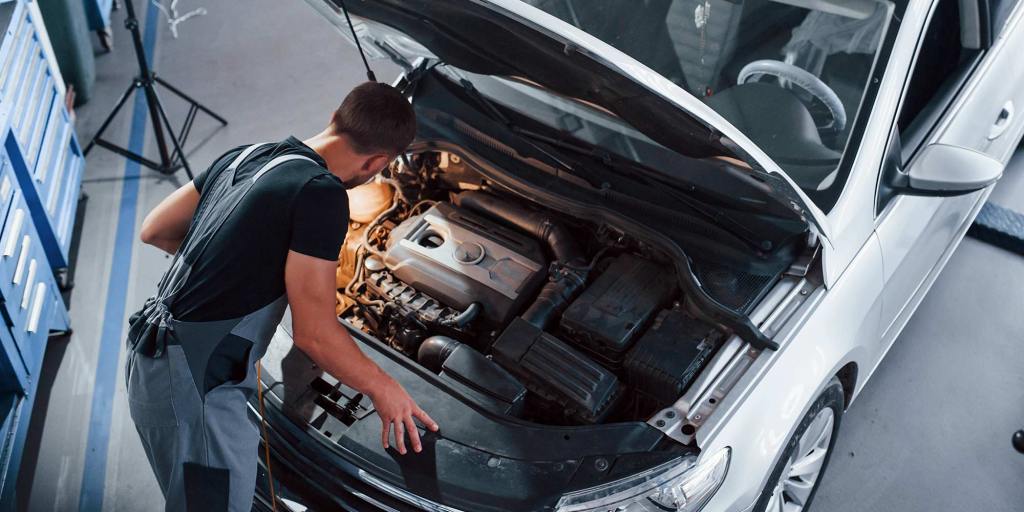
VW vehicles often require specialized tools and diagnostic equipment for accurate troubleshooting and repairs. Ensure the shop is equipped with:

  1. VW Diagnostic Tools: The repair shop should have access to Volkswagen-specific diagnostic tools like the VAS (Volkswagen Audi Service) system or equivalent. These tools allow for precise diagnostics and efficient repair processes.
  2. OEM Parts: Opt for a repair shop that uses Original Equipment Manufacturer (OEM) parts. OEM parts are designed specifically for VW vehicles, ensuring the highest quality, fit, and performance.

Reputation and Reviews

A shop’s reputation is a strong indicator of its reliability and quality of service. Consider the following:

  1. Customer Reviews: Check online reviews on platforms like Google, Yelp, and the Better Business Bureau. Look for consistent positive feedback regarding the quality of service, professionalism, and customer satisfaction. Pay attention to any recurring complaints as well.
  2. Referrals: Personal recommendations from friends, family, or fellow VW owners can be invaluable. People who have had positive experiences with a particular shop are likely to recommend it.

Transparent Communication

Clear and honest communication is essential when dealing with auto repairs. Look for a shop that:

  1. Provides Detailed Estimates: The repair shop should provide a detailed written estimate before starting any work. This estimate should include the cost of parts, labor, and any additional fees.
  2. Explains Repairs Clearly: The technicians should be willing to explain the necessary repairs in layman’s terms and answer any questions you might have. They should also provide an estimated timeline for completing the work.

Warranty and Guarantees

A reputable VW repair shop should stand behind its work with warranties and guarantees. Look for:

  1. Parts and Labor Warranty: Inquire about the warranty on parts and labor. A good repair shop typically offers a warranty of at least 12 months or 12,000 miles, providing peace of mind that the repairs are done right.
  2. Satisfaction Guarantee: Some shops offer a satisfaction guarantee, ensuring that you are happy with the service provided. This can be an additional indicator of a shop’s confidence in its work.

Convenience and Additional Services

Consider the convenience and extra services offered by the repair shop. Look for:

  1. Location: A conveniently located repair shop makes it easier to drop off and pick up your vehicle.
  2. Loaner Cars or Shuttle Service: Some shops offer loaner cars or shuttle services, allowing you to continue with your daily routine while your VW is being repaired.
  3. Clean and Comfortable Waiting Area: A clean and comfortable waiting area with amenities like Wi-Fi and refreshments can make your wait more pleasant if you choose to stay at the shop during minor repairs.

Preventive Maintenance and Tips

  1. Adhere to Maintenance Schedule: Follow the maintenance schedule recommended in your VW owner’s manual. Regular service intervals help identify and address issues before they escalate.
  2. Pay Attention to Warning Lights: Modern VW vehicles are equipped with sophisticated warning systems. Pay attention to dashboard warning lights and address any issues promptly to prevent further damage.
  3. Drive Responsibly: While VW vehicles are built for performance, driving sensibly can extend the life of your vehicle’s components. Avoid sudden accelerations, harsh braking, and excessive idling.
  4. Keep it Clean: Regular washing and waxing not only keep your VW looking great but also protect the paint and prevent rust. Cleaning the interior regularly maintains the quality of materials and prevents wear.

Conclusion

Choosing the right repair and service shop for your Volkswagen is critical for maintaining its performance, safety, and longevity. Look for a shop with certified technicians, specialized equipment, and a good reputation. Ensure they communicate transparently, offer warranties, and provide convenient services. By considering these factors, you can find a repair shop that will keep your VW running smoothly and efficiently, allowing you to enjoy the driving experience that Volkswagen is known for.

More about us
Mercedes-Benz Repair Service: Key Considerations and Essential Tips

Mercedes-Benz, a symbol of luxury, performance, and cutting-edge engineering, demands meticulous care to maintain its top-notch performance and longevity. Whether you drive a sleek C-Class, a robust GLE, or an opulent S-Class, understanding the intricacies of Mercedes-Benz repair and maintenance is crucial. Here’s a detailed guide on what to expect and how to ensure your vehicle receives the best service.

Importance of Regular Maintenance

Regular maintenance is essential to keep your Mercedes-Benz performing at its best. Key maintenance areas include:

  1. Oil Changes: Using high-quality synthetic oil is crucial for the health of your Mercedes-Benz engine. Typically, oil changes are recommended every 10,000 miles or annually, depending on your driving habits and model specifications.
  2. Brake System: Mercedes-Benz vehicles are renowned for their advanced braking systems. Regularly inspect brake pads, rotors, and brake fluid levels. Brake pads should be checked every 10,000 miles and replaced when worn to ensure safety.
  3. Tire Maintenance: Proper tire maintenance is vital for safety and performance. Rotate your tires every 5,000 to 7,000 miles and check for uneven wear, which can indicate alignment issues. Ensure tires are inflated to the recommended pressure.
  4. Fluid Levels: Regularly check all fluid levels, including coolant, brake fluid, transmission fluid, and power steering fluid. Maintaining proper fluid levels prevents potential damage and ensures smooth operation.

Common Mercedes-Benz Repairs

Despite their reliability, Mercedes-Benz vehicles can encounter specific issues that require attention:

  1. Engine Problems: Common issues include oil leaks, especially from the valve cover gasket, and timing chain tensioner failure. Regular maintenance and timely repairs can prevent these problems from becoming severe.
  2. Electrical System: Mercedes-Benz vehicles are equipped with advanced electrical systems, which can sometimes malfunction. Common issues include faulty sensors, wiring problems, and issues with the Command system. These often require diagnostic tools specific to Mercedes-Benz for accurate troubleshooting.
  3. Transmission Repairs: Mercedes-Benz transmissions, particularly the 7G-Tronic and 9G-Tronic models, can experience problems such as rough shifting and transmission fluid leaks. Regular fluid changes and immediate attention to symptoms can prevent extensive damage.
  4. Suspension Components: The sophisticated suspension system in Mercedes-Benz vehicles, designed for comfort and performance, can suffer from wear and tear. Issues such as worn-out control arm bushings and failing air suspension components are common. Regular inspections and timely replacements are necessary for maintaining ride quality.

Choosing the Right Repair Shop

Selecting a reputable repair shop specializing in Mercedes-Benz vehicles is crucial for quality repairs and maintenance. Consider the following:

  1. Certified Technicians: Ensure the repair shop employs ASE-certified technicians with experience in Mercedes-Benz vehicles. Technicians who have completed training programs specifically for Mercedes-Benz are particularly desirable.
  2. Genuine Parts: Opt for a repair shop that uses genuine Mercedes-Benz parts. Using OEM (Original Equipment Manufacturer) parts ensures compatibility, quality, and longevity.
  3. Advanced Diagnostic Tools: Mercedes-Benz vehicles require specialized diagnostic tools for accurate troubleshooting. A well-equipped repair shop should have access to Mercedes-Benz Star Diagnostic Systems (SDS) or equivalent tools.
  4. Warranty and Guarantees: Reputable repair shops offer warranties on their work, providing peace of mind. Inquire about the warranty policy for parts and labor before proceeding with repairs.

Preventive Measures and Tips

  1. Adhere to Maintenance Schedule: Follow the maintenance schedule recommended in your Mercedes-Benz owner’s manual. Regular service intervals help identify and address issues before they escalate.
  2. Pay Attention to Warning Lights: Modern Mercedes-Benz vehicles are equipped with sophisticated warning systems. Pay attention to dashboard warning lights and address any issues promptly to prevent further damage.
  3. Drive Responsibly: While Mercedes-Benz vehicles are built for performance, driving sensibly can extend the life of your vehicle’s components. Avoid sudden accelerations, harsh braking, and excessive idling.
  4. Keep it Clean: Regular washing and waxing not only keep your Mercedes-Benz looking great but also protect the paint and prevent rust. Cleaning the interior regularly maintains the quality of materials and prevents wear.

Conclusion

Owning a Mercedes-Benz is a rewarding experience, offering unparalleled luxury and performance. However, maintaining your vehicle requires attention to detail and adherence to regular maintenance schedules. By focusing on routine checks, addressing common repair issues, and choosing a reputable repair shop, you can ensure your Mercedes-Benz remains in peak condition for years to come. Proper care and preventive measures will help you enjoy the exceptional driving experience that Mercedes-Benz is known for.

More about us

What to Look for in a BMW Auto Repair Shop: A Comprehensive Guide

Owning a BMW is a statement of luxury, performance, and engineering excellence. However, maintaining and repairing such a high-precision vehicle requires specialized care. Choosing the right auto repair shop is crucial to ensure your BMW receives the best possible service. Here’s a comprehensive guide on what to look for in a BMW auto repair shop.

Expertise and Certification

BMWs are intricate machines with advanced technology and engineering. Therefore, the first thing to look for in a repair shop is the expertise and certification of their technicians.

  1. BMW Certification: Look for shops that have technicians certified by BMW or those who have completed training programs specifically for BMW vehicles. These certifications indicate that the technicians have undergone rigorous training and are familiar with BMW’s specific requirements and systems.
  2. ASE Certification: The National Institute for Automotive Service Excellence (ASE) certification is another mark of professionalism and expertise. ASE-certified technicians have passed comprehensive exams and have relevant experience in automotive repair.

Specialized Equipment

BMWs require specialized diagnostic tools and equipment for accurate troubleshooting and repair. Ensure the repair shop is equipped with:

  1. BMW Diagnostic Tools: The shop should have BMW-specific diagnostic tools such as the BMW ISTA (Integrated Service Technical Application) system. These tools allow technicians to access detailed information about your vehicle’s systems and identify issues precisely.
  2. OEM Parts: Original Equipment Manufacturer (OEM) parts are designed specifically for BMW vehicles. Using OEM parts ensures the highest quality and compatibility, preserving the performance and longevity of your vehicle. Ask if the shop uses OEM parts for repairs.

Reputation and Reviews

A good reputation is a strong indicator of a reliable auto repair shop. Consider the following:

  1. Customer Reviews: Check online reviews on platforms like Google, Yelp, and the Better Business Bureau. Look for consistent positive feedback about the quality of service, professionalism, and customer satisfaction. Pay attention to any recurring complaints as well.
  2. Referrals: Personal recommendations from friends, family, or fellow BMW owners can be invaluable. People who have had positive experiences with a particular shop are likely to recommend it.

Transparent Communication

Clear and honest communication is essential when dealing with auto repairs. Look for a shop that:

  1. Provides Detailed Estimates: The repair shop should provide a detailed written estimate before starting any work. This estimate should include the cost of parts, labor, and any additional fees.
  2. Explains Repairs Clearly: The technicians should be willing to explain the necessary repairs in layman’s terms and answer any questions you might have. They should also provide an estimated timeline for completing the work.

Warranty and Guarantees

A reputable BMW repair shop should stand behind its work with warranties and guarantees. Look for:

  1. Parts and Labor Warranty: Inquire about the warranty on parts and labor. A good repair shop typically offers a warranty of at least 12 months or 12,000 miles, providing peace of mind that the repairs are done right.
  2. Satisfaction Guarantee: Some shops offer a satisfaction guarantee, ensuring that you are happy with the service provided. This can be an additional indicator of a shop’s confidence in its work.

Convenience and Additional Services

Consider the convenience and extra services offered by the repair shop. Look for:

  1. Location: A conveniently located repair shop makes it easier to drop off and pick up your vehicle.
  2. Loaner Cars or Shuttle Service: Some shops offer loaner cars or shuttle services, allowing you to continue with your daily routine while your BMW is being repaired.
  3. Clean and Comfortable Waiting Area: A clean and comfortable waiting area with amenities like Wi-Fi and refreshments can make your wait more pleasant if you choose to stay at the shop during minor repairs.

Conclusion

Choosing the right repair shop for your BMW is critical for maintaining the performance, safety, and longevity of your vehicle. Look for a shop with certified technicians, specialized equipment, and a good reputation. Ensure they communicate transparently, offer warranties, and provide convenient services. By considering these factors, you can find a repair shop that will keep your BMW running smoothly and efficiently, allowing you to enjoy the driving experience that BMW is known for.

More about us

Audi Repair: Key Considerations and Maintenance Tips

Audi, known for its luxury, performance, and cutting-edge technology, demands meticulous care to maintain its optimal performance and longevity. Whether you own an A3, Q5, or an R8, understanding the specifics of Audi repair and maintenance is crucial for preserving your investment. Here’s a detailed guide on essential Audi repair considerations and maintenance tips.

Regular Maintenance Checks

Routine maintenance is vital for keeping your Audi in top shape. Key areas to focus on include:

  1. Oil Changes: Regular oil changes are essential for the smooth operation of your Audi’s engine. Audi recommends using high-quality synthetic oil and changing it every 10,000 miles or annually, whichever comes first.
  2. Brake Inspection: Audi vehicles are known for their exceptional braking systems. Regular brake inspections, including checking brake pads, rotors, and brake fluid levels, are crucial. Typically, brake pads should be inspected every 10,000 miles and replaced as needed.
  3. Tire Maintenance: Proper tire maintenance ensures safety and performance. Rotate your tires every 5,000 to 7,000 miles and check for uneven wear, which might indicate alignment issues. Ensure your tires are inflated to the recommended pressure.
  4. Fluid Levels: Regularly check all fluid levels, including coolant, brake fluid, transmission fluid, and power steering fluid. Maintaining proper fluid levels prevents potential damage and ensures smooth operation.

Common Audi Repairs

Despite their reliability, Audis can encounter specific issues that require attention:

  1. Engine Issues: Some Audi models, particularly those with turbocharged engines, can experience issues like oil leaks, timing chain tensioner failure, and carbon buildup. Regular maintenance and timely repairs can mitigate these problems.
  2. Electrical Problems: Audi’s advanced electrical systems can sometimes be prone to malfunctions. Common issues include faulty sensors, electrical shorts, and problems with the multimedia interface (MMI). These issues often require diagnostic tools specific to Audi vehicles.
  3. Transmission Repairs: Audis, especially those with automatic transmissions, can face transmission-related issues. Symptoms include rough shifting, delayed engagement, and unusual noises. Regular transmission fluid changes and timely repairs are essential to prevent extensive damage.
  4. Suspension Components: Audi’s suspension system, designed for a smooth ride and precise handling, can wear out over time. Common issues include worn-out control arm bushings, failing shock absorbers, and problematic struts. Regular inspections and timely replacements are necessary for maintaining ride quality and safety.

Choosing the Right Repair Shop

Selecting a reputable repair shop specializing in Audi vehicles is crucial for quality repairs and maintenance. Consider the following:

  1. Certified Technicians: Ensure the repair shop employs ASE-certified technicians with experience in Audi vehicles. Audi-specific certifications, such as those from the Audi Academy, are a plus.
  2. Genuine Parts: Opt for a repair shop that uses genuine Audi parts. Using OEM (Original Equipment Manufacturer) parts ensures compatibility and longevity.
  3. Advanced Diagnostic Tools: Audi’s advanced technology requires specialized diagnostic tools for accurate troubleshooting. A well-equipped repair shop should have access to Audi-specific diagnostic equipment.
  4. Warranty and Guarantees: Reputable repair shops offer warranties on their work, providing peace of mind. Inquire about the warranty policy for parts and labor before proceeding with repairs.

Preventive Measures and Tips

  1. Follow the Manufacturer’s Maintenance Schedule: Adhering to the recommended maintenance schedule in your Audi’s owner manual is vital. Regular service intervals help identify and address issues before they become major problems.
  2. Pay Attention to Warning Lights: Modern Audis are equipped with sophisticated warning systems. Pay attention to dashboard warning lights and address any issues promptly to prevent further damage.
  3. Drive Sensibly: While Audis are designed for performance, aggressive driving can lead to premature wear and tear. Avoid sudden accelerations, harsh braking, and excessive idling to extend the life of your vehicle’s components.
  4. Keep it Clean: Regularly washing and waxing your Audi not only keeps it looking great but also protects the paint and prevents rust. Clean the interior to maintain the quality of materials and prevent wear.

Conclusion

Owning an Audi is a rewarding experience, offering luxury, performance, and cutting-edge technology. However, maintaining your Audi requires attention to detail and adherence to regular maintenance schedules. By focusing on routine checks, addressing common repair issues, and choosing a reputable repair shop, you can ensure your Audi remains in peak condition for years to come. Proper care and preventive measures will help you enjoy the exceptional driving experience that Audi is known for.

More about us

Finding the Best Car Repair Shop: A Comprehensive Guide

Finding a reliable car repair shop is essential for maintaining your vehicle’s performance and ensuring your safety on the road. With so many options available, it can be challenging to identify a trustworthy and competent shop. Here’s a comprehensive guide to help you find the best car repair shop for your needs.

Seek Recommendations and Reviews

Start your search by asking friends, family, and colleagues for recommendations. Personal referrals are often the most reliable because they come from individuals who have had firsthand experiences with repair shops. Additionally, consider looking at online reviews and ratings on platforms like Google, Yelp, and the Better Business Bureau. Pay attention to comments about service quality, pricing, and customer care. Look for patterns in the reviews; a single negative review in a sea of positive ones might be an outlier, but consistent complaints could indicate a problem.

Check for Certifications and Affiliations

A reputable car repair shop should have certifications from recognized automotive organizations. Look for ASE (Automotive Service Excellence) certifications, indicating that the mechanics have undergone rigorous testing and are proficient in their trade. Shops affiliated with professional associations like the AAA (American Automobile Association) or NAPA (National Automotive Parts Association) typically adhere to high standards of service and ethics. These certifications and affiliations demonstrate a shop’s commitment to professionalism and quality.

Evaluate Experience and Specialization

Consider the experience level of the repair shop. Shops that have been in business for several years are likely doing something right. Furthermore, some shops specialize in certain types of vehicles or specific repairs. If you own a unique or high-end car, you might want to find a shop with expertise in that particular make or model. Specialized shops often have access to the right parts and tools and possess the necessary knowledge to handle specific issues effectively.

Assess Transparency and Communication

A good repair shop should be transparent about their services and pricing. They should provide detailed estimates before starting any work and be willing to explain the necessity of each repair. Clear communication is crucial; if the mechanics or service advisors seem evasive or unwilling to answer your questions, it’s a red flag. Choose a shop that values customer education and is willing to discuss repair options, costs, and timelines openly.

Inquire About Warranties and Guarantees

Reliable repair shops stand behind their work. Inquire about any warranties or guarantees on parts and labor. A shop that offers a warranty shows confidence in their services and provides you with added peace of mind. Typical warranties might cover repairs for 12 months or 12,000 miles, but this can vary. Make sure to get the details in writing and understand the terms before agreeing to any work.

Observe Cleanliness and Organization

The physical state of the repair shop can indicate the quality of service you’ll receive. While a mechanic shop doesn’t need to be spotless, it should be reasonably clean and organized. A well-maintained shop reflects attention to detail and professionalism. Observe the condition of the equipment and the overall environment. If the waiting area is clean and the shop appears orderly, it’s likely that the mechanics take pride in their work.

Test the Waters with a Small Job

Before committing to a major repair, consider testing the shop with a smaller job, such as an oil change or tire rotation. This allows you to gauge their customer service, pricing, and the quality of their work without a significant investment. Use this opportunity to ask questions and observe their process. If they handle a small job well, it’s a good sign that they’ll manage more extensive repairs competently.

Consider Location and Convenience

Lastly, consider the shop’s location and convenience. A nearby shop might be more practical for regular maintenance and emergencies. Additionally, check if they offer services like shuttle rides, loaner cars, or pick-up and drop-off, which can be highly beneficial.

Conclusion

Finding the best car repair shop requires some research and due diligence, but investing the time upfront can save you money and hassle in the long run. By following these steps, you can ensure that your vehicle is in capable hands and receive the quality service you deserve. Whether it’s regular maintenance or major repairs, a good car repair shop will keep your vehicle running smoothly and safely. Read more at germancardepot.com.

More about us